Riga
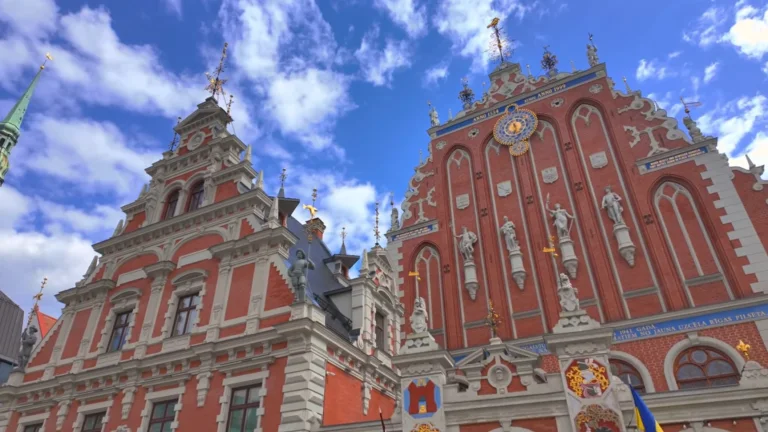
Latvia’s main arrival base, with medieval streets, Art Nouveau architecture, major museums, markets and the country’s widest transport connections.
- Best for
- First city base, museums and architecture
- Car-free rating
- Easy
- Ideal stay
- 2–3 days
Compare Latvia’s main cities, coastal resorts, historic towns and nature bases. Use the destination cards to decide what works as a day trip, where an overnight stay is worthwhile and which places are easiest to visit without a car.
These destinations give a first visit a clear capital base, an easy coast option and realistic routes into Vidzeme and western Latvia.
Use the filters to narrow the twelve guides by travel style or transport needs, then open a guide for detailed sights, routes and practical planning.
12 destinations shown
Latvia’s main arrival base, with medieval streets, Art Nouveau architecture, major museums, markets and the country’s widest transport connections.
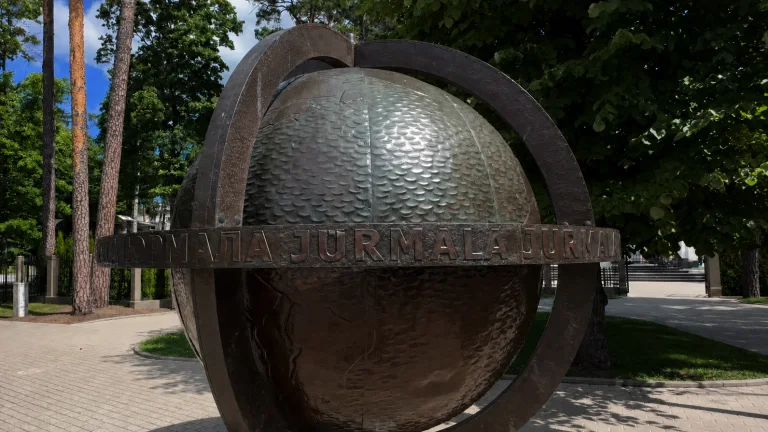
A long coastal city with sandy beaches, pine forests, wooden villas and distinct neighbourhoods connected by rail.
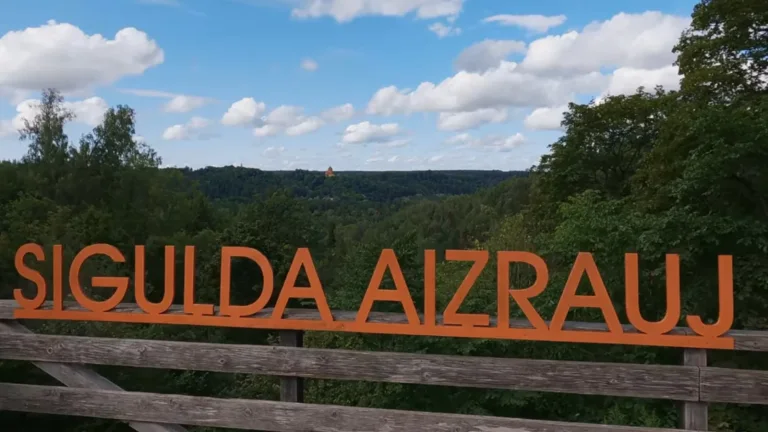
A Gauja National Park base for Sigulda Castle Quarter, Krimulda, Turaida, sandstone landscapes and active outdoor days.
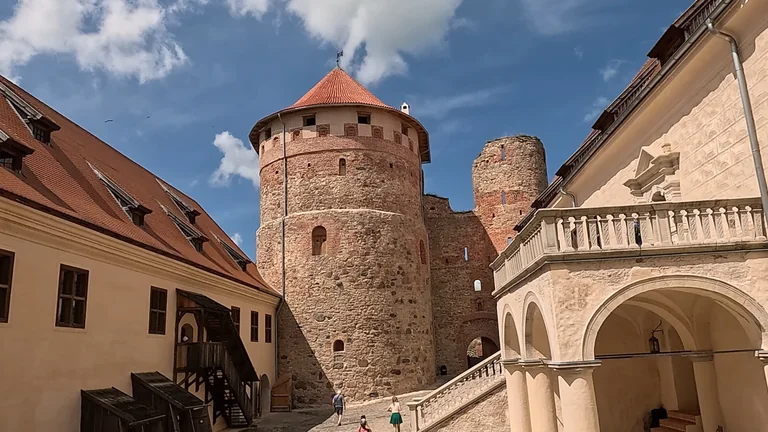
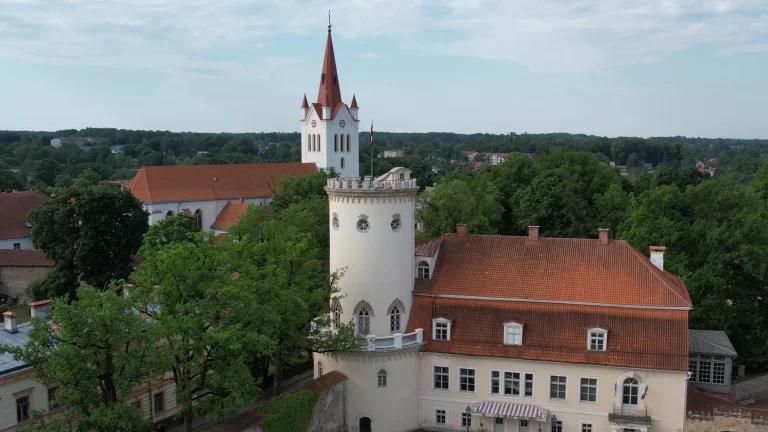
A compact Vidzeme town where a substantial castle complex, historic street pattern and modern cultural venues meet nearby Gauja landscapes.
A compact UNESCO-listed town where historic streets, Alekšupīte, Venta Rapid and the old brick bridge form one walkable landscape.
A western coastal city with an active centre, long beach, music heritage and the separate military district of Karosta.
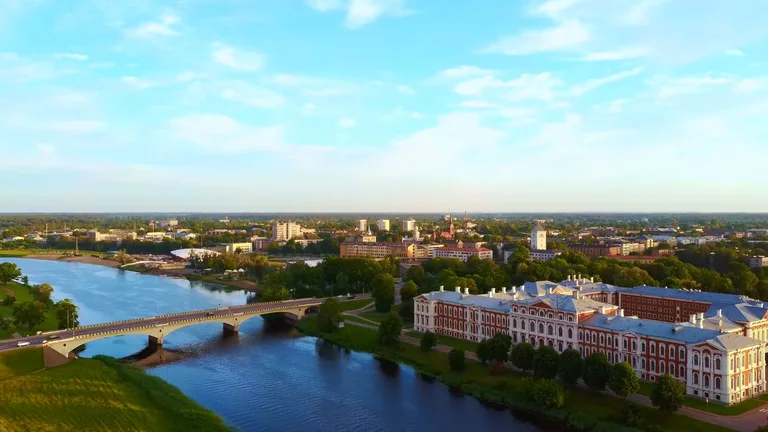
A Baltic port city with a medieval castle, river promenades, a broad beach, parks and substantial family attractions.
An eastern city of fortress heritage, major contemporary-art collections, religious architecture and a working tram network.
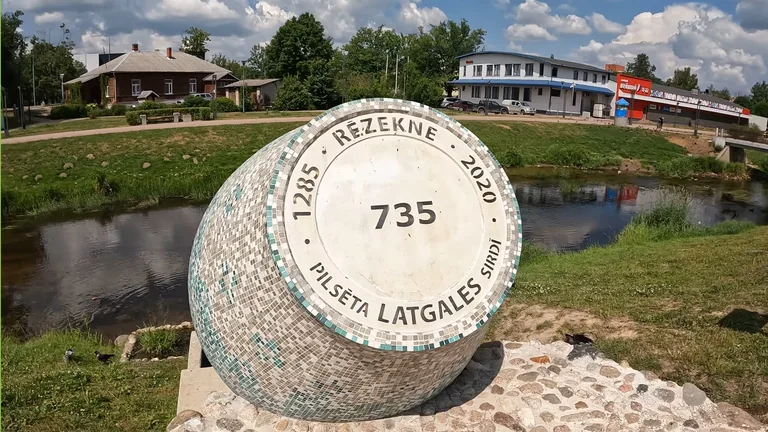
A Latgale cultural centre with a castle hill, river promenade, GORS cultural centre and strong regional identity.
Combine Bauska’s castle and river setting with the palace interiors and formal gardens at nearby Rundāle.
A rail-connected Zemgale city of palace history, Holy Trinity Church Tower and riverside public spaces.
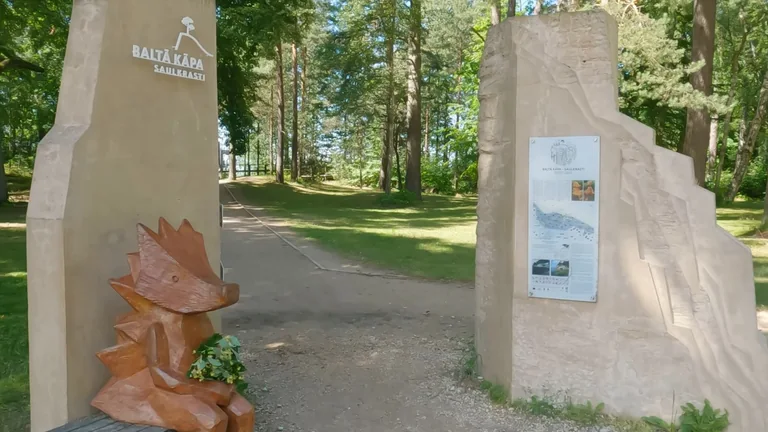
A rail-connected coastal town with long beaches, the White Dune, pine forest and the Sunset Trail.
“Easy” means the destination centre and its main first-visit sights can be reached by public transport and explored on foot. It does not guarantee easy access to every regional attraction.
Riga, Jūrmala, Cēsis, Daugavpils and Jelgava.
Sigulda, Kuldīga, Liepāja, Ventspils, Rēzekne and Saulkrasti.
Bauska and Rundāle as a combined trip, plus nature sites outside destination centres.
Jūrmala, Sigulda and Jelgava are the clearest starting points. Bauska and Rundāle work when the connections align, while Cēsis needs a longer full day. Travel time alone is not enough: check local distances and the last practical return.
Jūrmala for the simplest rail day; Saulkrasti for a quieter coastal walk with the right station plan.
Sigulda for a selective castle-and-valley route; Cēsis for a longer historic-town day.
Jelgava is straightforward by rail. Bauska and Rundāle require a separate final-connection check.
Stay overnight when it saves backtracking, gives a destination enough time or opens a different region. Riga, Cēsis, Kuldīga, Liepāja, Daugavpils, Ventspils and Rēzekne can all justify a base; Jūrmala works when the coast is a main part of the trip.
Riga for major arrivals, accommodation and enough visitor content to fill several days.
Cēsis or Kuldīga for historic-town routes; Liepāja for western Latvia; Daugavpils or Rēzekne for Latgale.
Jūrmala, Ventspils or Saulkrasti when beach time or a slower coastal route is central to the trip.
These route suggestions are starting points, not fixed itineraries. Check current transport and opening information before committing to a sequence.
Riga with Jūrmala or Sigulda.
Riga, Sigulda and Cēsis.
Kuldīga and Liepāja, adding Ventspils when time allows.
Daugavpils and Rēzekne, with a separate plan for lakes and countryside.
Destination recommendations are based on the amount of useful visitor content, transport access, local walking distances, realistic return connections and whether an overnight stay improves the wider route.
Transport schedules, attraction hours and seasonal services are checked separately in each destination guide. “Riga Region” is used as a practical visitor grouping for Riga and nearby Pierīga; it is not presented as one of Latvia’s four historical regions.
Build a route by regionThis comparison was last reviewed 25 July 2026. Use each detailed guide and these official services to confirm schedules, attraction access and seasonal notices for specific dates.