Jūrmala travel guide
Jūrmala travel guide: beaches, Majori and Ķemeri
Jūrmala is a long coastal city rather than one compact resort centre. Majori is the easiest starting point for Jomas iela, the central beach and visitor services, while neighbouring Dzintari adds wooden villas, the forest park and concert hall. Farther west, Ķemeri has a separate identity built around spa heritage, its restored park and access to Ķemeri National Park.
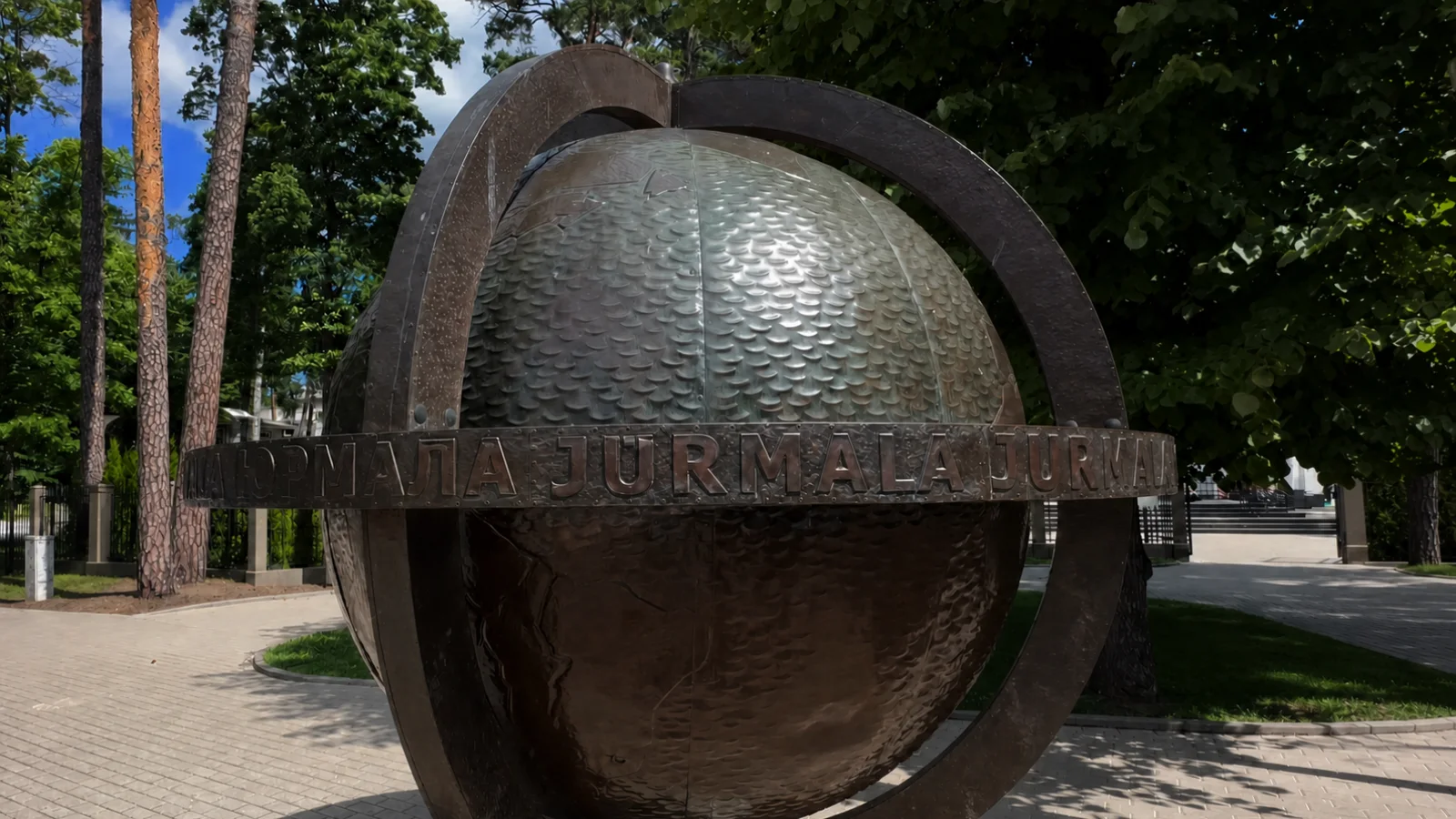
This guide is independently written and checked against official tourism, transport and attraction sources.
Plan the essentials
Jūrmala at a glance
- Best for
- Beach walks, wooden architecture, pine forests, families and an easy break from Riga
- Typical stay
- A full day from Riga or one to two nights
- Good without a car?
- Yes; trains serve the main neighbourhoods, but the city stretches far along the coast
- Best areas to stay
- Majori for first-time convenience; Dzintari for a quieter central stay; Dubulti for a calmer base near the centre
- Can it be visited as a day trip?
- Yes, when you focus on central Jūrmala or make Ķemeri a separate outing
- Pairs well with
- Riga; Tukums can follow on a longer westbound route
- Main arrival points
- Majori, Dzintari, Dubulti, Bulduri or Ķemeri railway station, depending on the plan
Check before travelling
Transport schedules, fares, opening hours and ticket rules can change. Use the official links at the end of this guide when planning for specific dates.
Understand Jūrmala’s geography first
Jūrmala extends for many kilometres between the Gulf of Riga and the Lielupe River. Its neighbourhoods developed around separate railway stops, so a ticket to “Jūrmala” is not enough information for a useful day plan.
Majori, Dzintari and Dubulti form the most practical central cluster. Bulduri and Lielupe lie to the east; Melluži, Asari, Vaivari and Kauguri extend west along the coast. Ķemeri sits farther west and inland from the beach, with a distinct spa-heritage and national-park focus.
Which Jūrmala station should you use?
Choose the station for the neighbourhood you actually plan to explore, and check the return service before setting out.
Majori
The simplest first choice for Jomas iela, visitor services, the central beach and a walk toward Dzintari.
Dzintari
Best for Dzintari Forest Park, the concert hall and villa streets; it is also walkable from Majori.
Dubulti
Useful for a quieter central beach area, Aspazija House and a one-way walk back toward Majori.
Bulduri
A calmer eastern option for beach time and local architecture, away from the busiest central strip.
Ķemeri
Use for Ķemeri Resort Park and spa heritage. The Great Ķemeri Bog Boardwalk is not beside the station and needs a separate access plan.
Why visit Jūrmala
Jūrmala offers a clear change of pace from Riga without requiring a car. The coast, pine woods and timber resort architecture can be combined in a simple train-based day, while an overnight stay creates time for a quieter evening and a less weather-dependent plan.
The city works best when treated as a choice of experiences: a central Majori–Dzintari day, a quieter beach neighbourhood, or a separate Ķemeri heritage and nature outing.
Best things to do in Jūrmala
The major sights fall into two practical groups: central Jūrmala around Majori and Dzintari, and Ķemeri farther west.
Majori, Jomas iela and the central beach
Link the railway station, pedestrian street, villa-lined side streets and beach into one compact first-visit route.
Wooden architecture routes
Use the official Majori and Dzintari routes to see how verandas, towers, carving and garden plots shaped the resort.
Majori–Dzintari beach walk
Walk one way along the sand and return through the streets, or leave by train from the second neighbourhood.
Dzintari Forest Park and viewing tower
The pine park adds walking paths, play areas and an elevated view close to the central resort district.
Dzintari Concert Hall
See the historic concert complex and check its current programme if a performance is part of the visit.
Jūrmala Museum
Use the museum in Majori for an introduction to local resort and city history.
Aspazija House
Visit the poet’s former home in Dubulti for a more intimate cultural stop.
Ķemeri Resort Park and water tower
Explore the restored park and spa-town landscape; check current water-tower access and booking conditions.
Which Jūrmala beach should you choose?
Jūrmala’s beach is continuous, but access, atmosphere and nearby services change by neighbourhood. Use the official beach guide for current facilities, bathing information and accessible approaches.
Majori
Best for a first visit, central services and the shortest link with Jomas iela; it is also the busiest choice.
Dzintari
Convenient for combining the beach with the forest park, concert hall and villa streets.
Dubulti and Jaundubulti
A quieter central stretch that can work well for a one-way beach walk toward Majori.
Bulduri
A calmer eastern beach with rail access and local services nearby.
Lielupe
A quieter eastern option; check the walking distance between the station, chosen access point and accommodation.
How to explore Jūrmala’s wooden architecture
Wooden villas are part of a wider resort landscape rather than isolated photo stops. The official architecture guide records hundreds of protected and locally valuable buildings across Jūrmala, including examples with verandas, decorative carving and compact garden plots.
For a first visit, follow part of the Majori route around Jūras iela and then continue into Dzintari. Look from public streets, respect private homes and do not enter gardens or courtyards without permission.
Majori and Dzintari: the easiest first visit
Majori and Dzintari are close enough to combine on foot and contain the broadest range of visitor services. Arrive at one station and leave from the other to avoid retracing the full route.
Majori suits Jomas iela, the museum and central beach. Dzintari adds the concert hall, forest park, viewing tower and quieter villa streets. In poor weather, shorten the exposed beach section and use the parallel streets instead.
Ķemeri resort park and spa heritage
Ķemeri grew as a spa district associated with mineral waters and therapeutic mud. Its restored resort park, paths, bridges, pavilion and water tower make a coherent heritage walk that feels separate from central Jūrmala.
The park is around a 15-minute walk from Ķemeri station. The water tower is 42 metres high; confirm current opening and any booking requirement before relying on access to its upper viewing platform.
The Great Ķemeri Bog is a separate excursion
The Great Ķemeri Bog Boardwalk is in Ķemeri National Park, but it is not beside Ķemeri railway station or the resort park. Plan the connection to the trailhead separately rather than presenting the park walk and bog boardwalk as one compact station-area attraction.
The official route has a shorter 1.5-kilometre loop and a longer 3.5-kilometre loop with an observation tower. The narrow boardwalk has no handrail and is not suitable for wheelchairs. Access arrangements can be seasonal, so check the official page before travel.
Do not rely on the place name alone
Ķemeri station, Ķemeri Resort Park and the Great Ķemeri Bog Boardwalk are three different locations. Map the complete route before leaving Riga.
How long to spend in Jūrmala
A full day is enough for Majori, Dzintari and a generous beach walk. Stay overnight for a slower coast break, or give Ķemeri its own day when both the resort park and national-park nature are priorities.
Half day
Choose Majori or Dzintari, walk one section of beach and leave from the most convenient station.
Full day
Link Majori, Jomas iela, wooden villas, the beach and Dzintari Forest Park without rushing.
One or two nights
Add a quieter beach neighbourhood, evening time or a separate Ķemeri outing with weather flexibility.
Getting to Jūrmala from Riga
Passenger trains from Riga serve Jūrmala’s neighbourhood stations on services heading west. Majori is the usual first-visit stop, but Dzintari, Dubulti, Bulduri and Ķemeri may better match a specific plan.
Use Vivi for the current timetable, fare and service notices. Check both the destination station and the return options; do not rely on an old fare quoted in a general destination article.
Getting around Jūrmala
Walking works well within a neighbourhood and between Majori and Dzintari. The beach can also form a pleasant one-way route, provided wind, heat and mobility needs are considered.
For longer jumps, compare a short rail segment with the current municipal bus network. Jūrmala is too long to treat as one walkable centre, so confirm the exact stop and final walking distance before starting.
Driving and the Jūrmala entry pass
Motor vehicles entering Jūrmala’s special-regime zone generally need an entry pass. From 1 January 2026, the official one-day pass costs €5. Exemptions and longer-period passes are listed by the municipality.
Buy through the official entry-pass service or a vending machine and enter the vehicle registration accurately. The municipality says its pass machines no longer accept cash from 2026, so carry a payment card or buy online.
Current 2026 rule
The one-day vehicle entry pass is €5. Check the official page immediately before driving because boundaries, exemptions, prices and payment arrangements can change.
Where to stay in Jūrmala
Choose accommodation by station, beach access and the kind of evening you want rather than by the city name alone. Check the exact walking route with luggage.
Majori
Best for first-time convenience, restaurants, Jomas iela and straightforward train access.
Dzintari
A quieter central base near the forest park, concert hall and villa streets.
Dubulti
Useful for a calmer stay close to central Jūrmala, with rail access and beach walks.
Bulduri and Lielupe
Good for a quieter eastern stay when the chosen property is close enough to the station or planned beach access.
Western neighbourhoods
Melluži, Asari, Vaivari and Kauguri can suit slower local stays; verify year-round food and transport options.
Ķemeri
Choose it specifically for heritage or national-park access, not as the default base for Majori and Dzintari.
Accessibility in Jūrmala
Visit Jūrmala lists ten beach access points with ramps for visitors using wheelchairs and families with prams, together with selected adapted changing facilities and toilets. The exact facilities vary by location.
Sand, winter conditions, boardwalk maintenance and the distance from a station can still affect the practical route. Check the official accessibility and beach pages for the chosen access point. The Great Ķemeri Bog Boardwalk is specifically described as unsuitable for wheelchairs.
Where to eat and buy supplies
Majori and Dzintari have the broadest visitor-facing choice of cafés, restaurants and shops. Jomas iela is the easiest starting point, but nearby side streets can be calmer.
Options thin out in quieter neighbourhoods and outside the main summer season. Check current opening hours and buy water or picnic supplies near the station before a long beach or nature walk.
When to visit and what to combine with Jūrmala
Summer offers the broadest beach services and event programme, but central areas are busiest. Spring and autumn suit long walks and wooden architecture, while winter can be atmospheric if you plan shorter outdoor sections and confirm indoor opening hours.
Riga is the natural base or companion stop. On a longer westbound route, continue toward Tukums rather than adding Sigulda, which lies in the opposite direction. Treat Ķemeri as a separate Jūrmala day when nature access is the main aim.
Warm weather
Check bathing information, shade, event demand and the return train before settling into a long beach day.
Cool weather
Build around villa streets, a shorter coast walk and an indoor museum or cultural stop.
Nature conditions
Use marked routes and current protected-area information; dunes and habitats are not shortcuts.
A central Jūrmala day itinerary
This route keeps the day within Majori and Dzintari and works in either direction.
Morning
Arrive at Majori, walk Jomas iela, visit Jūrmala Museum if it is open, and follow part of the Majori wooden-architecture route toward the beach.
Midday
Walk the beach toward Dzintari, allowing time for lunch or a sheltered break if the weather changes.
Afternoon
See Dzintari Concert Hall, continue through the villa district and spend time in Dzintari Forest Park and its viewing tower.
Return
Leave from Dzintari station rather than retracing the entire walk to Majori.
A separate Ķemeri heritage day
Use this as a spa-heritage day rather than assuming the Great Ķemeri Bog fits automatically.
Arrive
Take the train to Ķemeri and walk toward the restored resort park.
Explore the park
Follow the paths, bridges and historic spa landscape, then visit the water tower if current access and booking allow.
Add nature deliberately
Only add the Great Ķemeri Bog Boardwalk when the trailhead transfer, daylight, weather and return journey have been confirmed.
Return
Allow time to walk back to Ķemeri station and use the live Vivi timetable rather than an assumed frequency.
Common Jūrmala planning mistakes
Buying for the wrong station
Decide the neighbourhood and beach access first, then choose the train stop.
Treating Jūrmala as one compact centre
Majori, Lielupe and Ķemeri are not interchangeable starting points.
Combining central Jūrmala and the bog casually
The Great Ķemeri Bog Boardwalk needs its own transfer and return plan.
Driving without checking the entry pass
Confirm the current special-regime zone, exemptions and payment process before arrival.
Assuming summer services run year-round
Restaurants, attractions and local connections may have shorter off-season hours.
Ignoring beach accessibility details
A general accessible-beach label does not replace checking the exact ramp, toilet, changing facility and station-to-beach route.
Jūrmala travel questions
Should I use Majori or Dzintari station?
Use Majori for Jomas iela, the museum and the simplest first approach to the central beach. Use Dzintari for the forest park, concert hall and villa district. A good first-day route arrives at one and leaves from the other.
Is the Great Ķemeri Bog Boardwalk close to Ķemeri station?
No. Ķemeri station, the resort park and the bog boardwalk are separate locations. Confirm the complete transfer to the boardwalk trailhead and the return journey before travel.
Is there a fee to drive into Jūrmala?
Vehicles entering the special-regime zone generally need a pass. From 1 January 2026 the official one-day pass costs €5, subject to listed exemptions; check the municipal page before driving.
Does Jūrmala have accessible beach entrances?
Yes. The official accessibility guide lists ten ramped beach access points and selected adapted facilities, but the equipment and route differ by location, so check the chosen access point.
Is Jūrmala worth visiting in winter?
Yes for quiet beach and architecture walks, but expect fewer seasonal services, shorter daylight and more weather exposure. Confirm museum, restaurant and transport hours before travelling.
Plan with current information
Official sources and review information
This guide was last reviewed 23 July 2026. Follow these links for current schedules, opening hours, tickets and access notices.
Visit Jūrmala official visitor guide
Current destination, event and visitor-service starting point.
Visit Jūrmala: About Jūrmala
Resort identity, coastline and neighbourhood context.
Visit Jūrmala: Getting to Jūrmala
Station geography and rail, road and bicycle planning context.
Vivi passenger information
Current rail timetable, tickets and service notices.
Visit Jūrmala practical information
Current municipal bus planner and practical visitor links.
Visit Jūrmala: Buy an entry pass
Current vehicle-entry price, exemptions and purchase methods.
Visit Jūrmala: 2026 entry-fee update
Official confirmation of the €5 one-day fee and cashless vending machines.
Visit Jūrmala beach guide
Neighbourhood beach character, facilities and access information.
Visit Jūrmala accessibility guide
Ramped beach access points and adapted visitor facilities.
Visit Jūrmala wooden architecture guide
Heritage inventory and neighbourhood architecture routes.
Visit Jūrmala: Majori architecture route
Majori route and notable buildings.
Visit Jūrmala: Dzintari architecture route
Dzintari route and notable buildings.
Visit Jūrmala: Dzintari Forest Park
Park location and current visitor facilities.
Visit Jūrmala: Dzintari viewing tower
Viewing-tower visitor information.
Visit Jūrmala: Dzintari Concert Hall
Concert-hall history and visitor context.
Visit Jūrmala: Jūrmala Museum
Museum exhibitions and visitor information.
Visit Jūrmala: Aspazija House
Museum context and current visitor information.
Visit Jūrmala: Ķemeri Resort Park
Restored park, water tower and spa-heritage context.
Visit Jūrmala: Ķemeri Resort Park guide
Station walking time, water-tower height and access notes.
Visit Jūrmala: Great Ķemeri Bog Boardwalk
Boardwalk lengths, accessibility and current access planning.
Nature Conservation Agency: Ķemeri National Park
Protected-area context and responsible access.
More Latvia trip ideas