Research and public discovery
Science in Latvia: research and places to explore
Latvia’s scientific institutions work in fields ranging from biomedicine and pharmaceutical chemistry to materials, engineering, computing and radio astronomy. Most laboratories are not open for casual visits, but museums, interactive science centres, public lectures and advertised open days allow travellers to explore the public side of Latvian science.
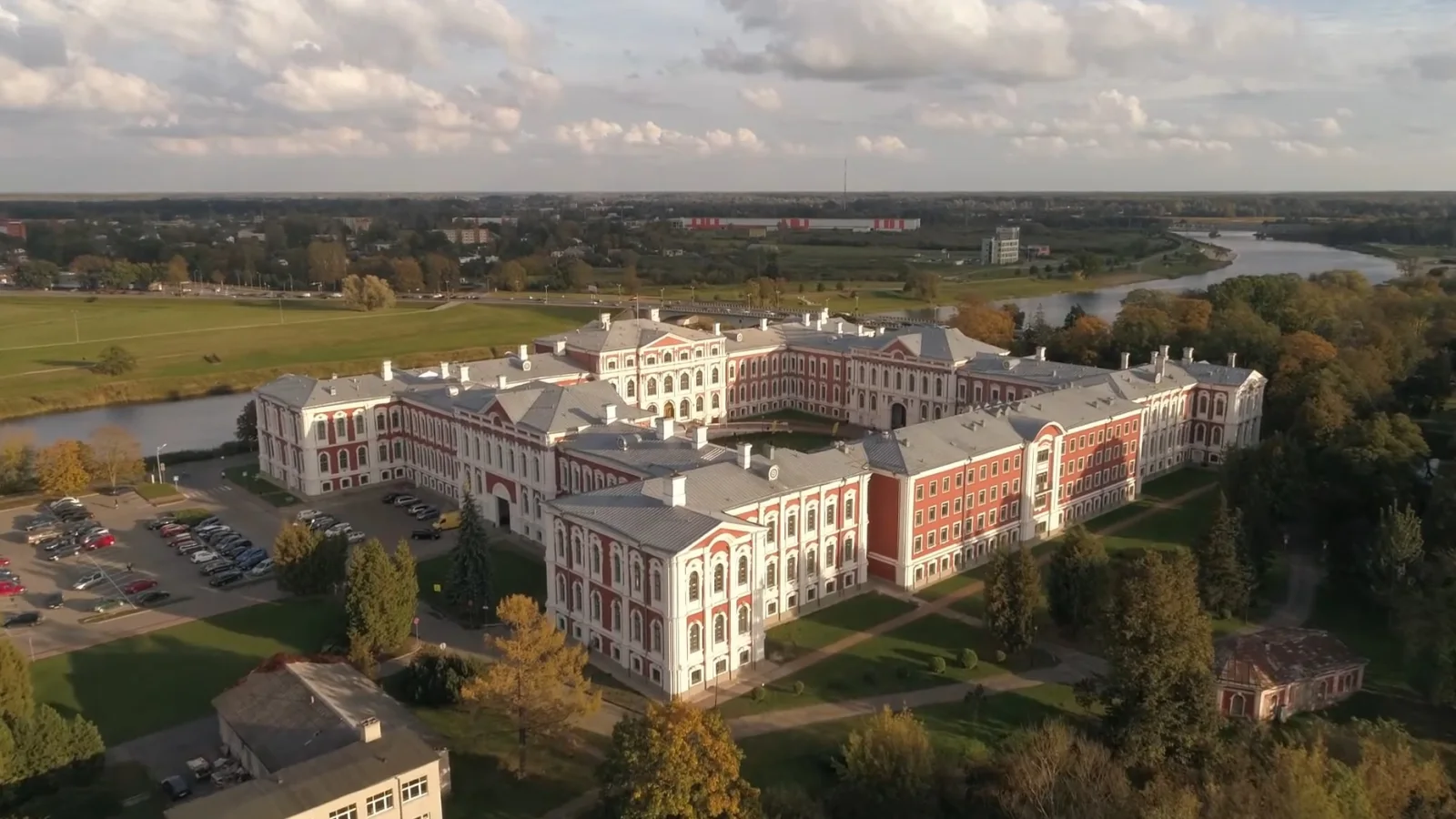
- Best public entry points
- Museums and science centres
- Research hubs
- Riga, Jelgava and Ventspils
- Specialist visit
- Irbene radio telescopes
- Plan ahead
- Check language and booking
This guide connects Latvia’s research landscape with places a traveller can actually visit. Institutional descriptions and access advice were checked against official sources.
Confirm before visiting
Opening hours, public programmes, exhibition content and tour availability can change. Confirm the current visitor information directly with each museum, centre or institution.
Science in Latvia at a glance
Latvia’s research landscape is broader than one university or one branch of science. Universities, state scientific institutes and specialist centres work across natural sciences, medicine and health, engineering and technology, agricultural and environmental research, social sciences and the humanities.
For a traveller, the clearest points of entry are science centres, museums, radio-telescope tours and public events. A university name on a building does not mean that its laboratories are open to walk-in visitors.
How Latvia’s research system works
The Latvian Council of Science implements state science policy, plans and supervises research programmes, organises scientific expertise and supports international cooperation. It is a useful national starting point, while universities and institutes publish the detail of their own fields, projects and facilities.
Funding programmes, institutional structures and research priorities change. This guide therefore describes the current landscape without using league tables or presenting promotional rankings as fact.
Sources: Latvian Council of Science
Main fields of research
Research carried out in Latvia includes biomedicine, pharmaceutical chemistry, materials science, photonics, information technology, engineering, energy, environmental science, astronomy, agriculture, linguistics and the humanities. These fields differ greatly in scale and institutional strength, so they are better read as a map of activity than as a ranking.
Life and health sciences
Biomedicine, molecular and precision medicine, drug discovery, public health, pharmacy and medical technologies.
Materials and engineering
Photonics, energy materials, electronics, transport, communications, construction and manufacturing processes.
Environment and bioeconomy
Agriculture, forestry, veterinary science, food technology, biodiversity, soil, water and sustainable resource use.
Computing, space and society
Information technology, radio astronomy, remote sensing, linguistics, social research and the humanities.
Sources: University of Latvia: science and research , Riga Technical University: research platforms , Rīga Stradiņš University: research platforms and fields , Latvia University of Life Sciences and Technologies: research fields
Universities and specialist centres
The University of Latvia has a broad research environment spanning natural sciences, medicine and health, technology, social sciences and the humanities. Riga Technical University organises interdisciplinary work through six platforms: energy and environment, cities and development, information and communication, transport, materials and technologies, and security and defence.
Rīga Stradiņš University is particularly relevant to medicine, health, public health, pharmacy, sports science and social science. In Jelgava, the Latvia University of Life Sciences and Technologies works across life sciences, engineering and social sciences, with research connected to agriculture, forestry, veterinary medicine, food, environment and the bioeconomy.
Sources: University of Latvia: science and research , Riga Technical University: research platforms , Rīga Stradiņš University: research platforms and fields , Latvia University of Life Sciences and Technologies: research fields
Biomedicine and pharmaceutical chemistry
A major institutional change took effect on 1 June 2026: the former Latvian Institute of Organic Synthesis and Latvian Biomedical Research and Study Centre began operating together as the National Institute of Research and Innovation, or NIRI.
NIRI brings together work in drug discovery and chemistry with biomedicine, biotechnology and molecular life sciences. Its published research directions include molecular and precision medicine, biomaterials, biotechnology, chemical processes and smart materials. This is a working research institution, not a general visitor attraction; use announced lectures or open programmes rather than arriving without an appointment.
Sources: National Institute of Research and Innovation , researchLatvia: NIRI established in June 2026
Materials, engineering and computing
The Institute of Solid State Physics at the University of Latvia focuses on materials for photonic devices and advanced materials for energy. RTU adds engineering-led research in energy, transport, information and communication, cities, materials and security.
LBTU connects engineering with food technology, environmental and energy systems, construction, transport, electronics, information technology and resource management. Together, these institutions show why Latvian science cannot be reduced to a single Riga campus or one technical speciality.
Sources: Institute of Solid State Physics, University of Latvia , Riga Technical University: research platforms , Latvia University of Life Sciences and Technologies: research fields
Astronomy and space science
The Ventspils International Radio Astronomy Centre operates the RT-32 and RT-16 radio telescopes and a LOFAR antenna field at Irbene. Its work includes astronomy, astrophysics, remote sensing, signal processing, electronics and satellite technology.
Irbene is one of the few places where a traveller can connect a specialised research site with a planned visit. Guided excursions are currently advertised, must be booked at least three days ahead and run seasonally. Confirm the current programme directly before making the journey.
Science centres and museums for visitors
These four places provide the most straightforward science-focused visits. They differ in subject, audience and intensity, so check the official page for current hours, language support, booking and accessibility.
VIZIUM Science Centre
More than 80 interactive exhibits are arranged across seven thematic galleries covering physics and mathematics, smart technology, geography, health, self-perception and simulators. Science shows, workshops and a public observation platform extend the visit.
Best forFamilies, school-age children and a poor-weather day
Programmes and some demonstrations may be in Latvian; check the current timetable.
Official visitor informationSpace Education Centre
A three-storey interactive exhibition explores space research, technology, astronaut life and living beyond Earth. A simulated mission and science shows are offered on published schedules.
Best forFamilies, school groups and adults interested in space
This is an education centre rather than a working space-research laboratory.
Official visitor informationLatvian National Museum of Natural History
Permanent and temporary exhibitions cover Latvia and the wider natural world through zoology, botany, geology, palaeontology and environmental themes. The museum’s mobile guide includes English content.
Best forMixed-age groups, natural history and an indoor Riga visit
The historic building has ramps and a lift, but contact the museum if you need detailed access advice.
Official visitor informationRSU Anatomy Museum
A modern presentation of Latvia’s first anatomy teaching collection, created in the 1920s and 1930s. Displays include real skeletons, embryos, bones, organs, body parts and pathological specimens.
Best forVisitors interested in medicine, anatomy and the history of medical teaching
Content guidanceIntended primarily for ages 14 and over. Some displays, especially embryology and congenital-anomaly material, may be distressing.
Official visitor informationSources: VIZIUM Science Centre , Cēsis Space Education Centre , Latvian National Museum of Natural History , Natural History Museum: visitor access , RSU Anatomy Museum: visitor information
Science by destination
Riga
Best for universities, research institutes, the Natural History Museum, the RSU Anatomy Museum and a changing calendar of lectures and exhibitions.
Open guideCēsis
Pair the Space Education Centre with the town’s historic core or a wider family trip in the Gauja region.
Open guideVentspils and Irbene
Use VIZIUM for an easy public visit in the city; treat the Irbene radio telescopes as a separate pre-booked excursion.
Open guideJelgava
LBTU makes the city a useful reference point for life sciences, agriculture, forestry, veterinary medicine, food and the bioeconomy.
Open guideSources: Rīga Stradiņš University: research platforms and fields , Cēsis Space Education Centre , VIZIUM Science Centre , Ventspils International Radio Astronomy Centre , Latvia University of Life Sciences and Technologies: research fields
Public events, lectures and open days
Public access is often event-led. The researchLatvia calendar brings together advertised lectures, exhibitions, tours, visits, workshops and other science events, while universities and institutes publish their own announcements.
Researchers’ Night can open venues that are normally closed to casual visitors, but dates, cities and programmes change from year to year. Check the current event listing rather than planning from an older programme.
Sources: researchLatvia events calendar , Latvian Council of Science
Before visiting a research institution
Confirm public access
A campus entrance, institute address or research profile is not an invitation to enter laboratories. Use a published visitor page, event or confirmed appointment.
Check language and format
An English web page does not guarantee that a tour, science show or lecture will be delivered in English.
Book specialist visits early
Irbene excursions and group museum tours require advance arrangements; other programmes may have limited capacity.
Read age and content guidance
Interactive centres suit broad age groups, while the Anatomy Museum contains real human specimens and recommends adult accompaniment for visitors under 14.
Sources: Ventspils International Radio Astronomy Centre , RSU Anatomy Museum: visitor information
Check the primary information
Official sources and review information
This guide was last reviewed on 24 July 2026. The sources include national research bodies, universities, specialist institutes, science centres and museums. Visitor access is described only where a current official page supports it.
Research system
Latvian Council of Science
Official explanation of national research programmes, scientific expertise and science-policy functions.
Universities
University of Latvia: science and research
Official overview of the university’s research environment, faculties and institutes.
Riga Technical University: research platforms
Official description of RTU research in energy, cities, information and communication, transport, materials, security and defence.
Rīga Stradiņš University: research platforms and fields
Official overview of health and natural sciences, social sciences and sports-science research at RSU.
Latvia University of Life Sciences and Technologies: research fields
Official overview of LBTU research in life sciences, engineering and social sciences.
Specialist research institutes
National Institute of Research and Innovation
Current institute overview covering drug discovery, molecular and precision medicine, biotechnology, chemical processes and smart materials.
researchLatvia: NIRI established in June 2026
Official confirmation that the Latvian Institute of Organic Synthesis and Latvian Biomedical Research and Study Centre began operating as one institute on 1 June 2026.
Institute of Solid State Physics, University of Latvia
Official overview of research in materials for photonic devices and advanced materials for energy.
Ventspils International Radio Astronomy Centre
Official research and current excursion information for the Irbene radio-telescope complex.
Visitor places
VIZIUM Science Centre
Official details of VIZIUM’s seven thematic galleries, science shows, workshops and observation platform.
Cēsis Space Education Centre
Official visitor information for the three-storey space and STEM exhibition.
Latvian National Museum of Natural History
Official exhibitions, events, services and English-language mobile-guide information.
Natural History Museum: visitor access
Current official details of ramps, lift access, an accessible toilet and other facilities in the historic museum building.
RSU Anatomy Museum: visitor information
Official access details, exhibition description, accessibility information and age guidance.
Public events
researchLatvia events calendar
Current official calendar of public lectures, exhibitions, visits, workshops and science events around Latvia.
Continue exploring