Riga travel guide
Riga travel guide for a first visit
Riga is the natural starting point for a first trip to Latvia. The Old Town, Central Market, parks, museums and Art Nouveau district are close enough to explore without a car, while trains and coaches make it easy to continue to Jūrmala, Sigulda and other parts of the country.
This guide is independently written and checked against official tourism, transport and attraction sources.
Plan the essentials
Riga at a glance
- Best for
- Architecture, history, museums, markets and a car-free city break
- Typical stay
- Two full days; three with a neighbourhood or day trip
- Good without a car?
- Yes; most central sights are walkable and public transport covers the wider city
- Best areas to stay
- The Centre or boulevard belt for balance; Old Town for maximum proximity
- Can it be visited as a day trip?
- Possible, although an overnight stay gives the city much more room
- Pairs well with
- Jūrmala for the coast or Sigulda for landscapes and castles
- Main arrival points
- RIX Riga Airport, Riga Central Station or Riga International Coach Terminal
Check before travelling
Transport schedules, fares, opening hours and ticket rules can change. Use the official links at the end of this guide when planning for specific dates.
Why visit Riga
Riga brings several cities together within a compact centre: medieval Vecrīga, the park-lined boulevards, Art Nouveau streets in the Quiet Centre, Central Market and the Daugava riverfront. Moving between them explains the city better than staying inside Old Town alone.
A first visit can follow architecture, 20th-century history, art or food, while the airport, railway station and coach terminal make Riga a practical base for the rest of Latvia. This variety also gives poor-weather days strong indoor alternatives.
Riga in one, two or three days
Two full days covers the Old Town, boulevards, market, Art Nouveau streets and one substantial museum. Add a third for a neighbourhood or one trip beyond the capital.
One day
Walk Old Town and the boulevards, then choose Central Market or the Art Nouveau district. Keep interiors selective and follow one continuous route.
Two days
Day one: Old Town, riverfront and parks. Day two: Central Market, one major museum and Alberta iela, keeping nearby stops together.
Three days
Add Āgenskalns, more museum time, or one day trip to Jūrmala or Sigulda. Keep a city alternative for poor weather.
Best things to do in Riga
Start with the central essentials, then choose one or two places that match your interests.
First-time essentials
Walk through Vecrīga
Use Town Hall Square, Riga Cathedral and St Peter’s Church as anchors, leaving time for smaller lanes and squares.
See the Freedom Monument and parks
The boulevard belt links Old Town with the opera area and modern Centre.
Explore Riga Central Market
Browse several pavilions and the outdoor area for produce, bread, fish and everyday city life.
Walk the Art Nouveau district
See Alberta iela’s façades; the Riga Art Nouveau Centre adds a period interior.
Choose by interest
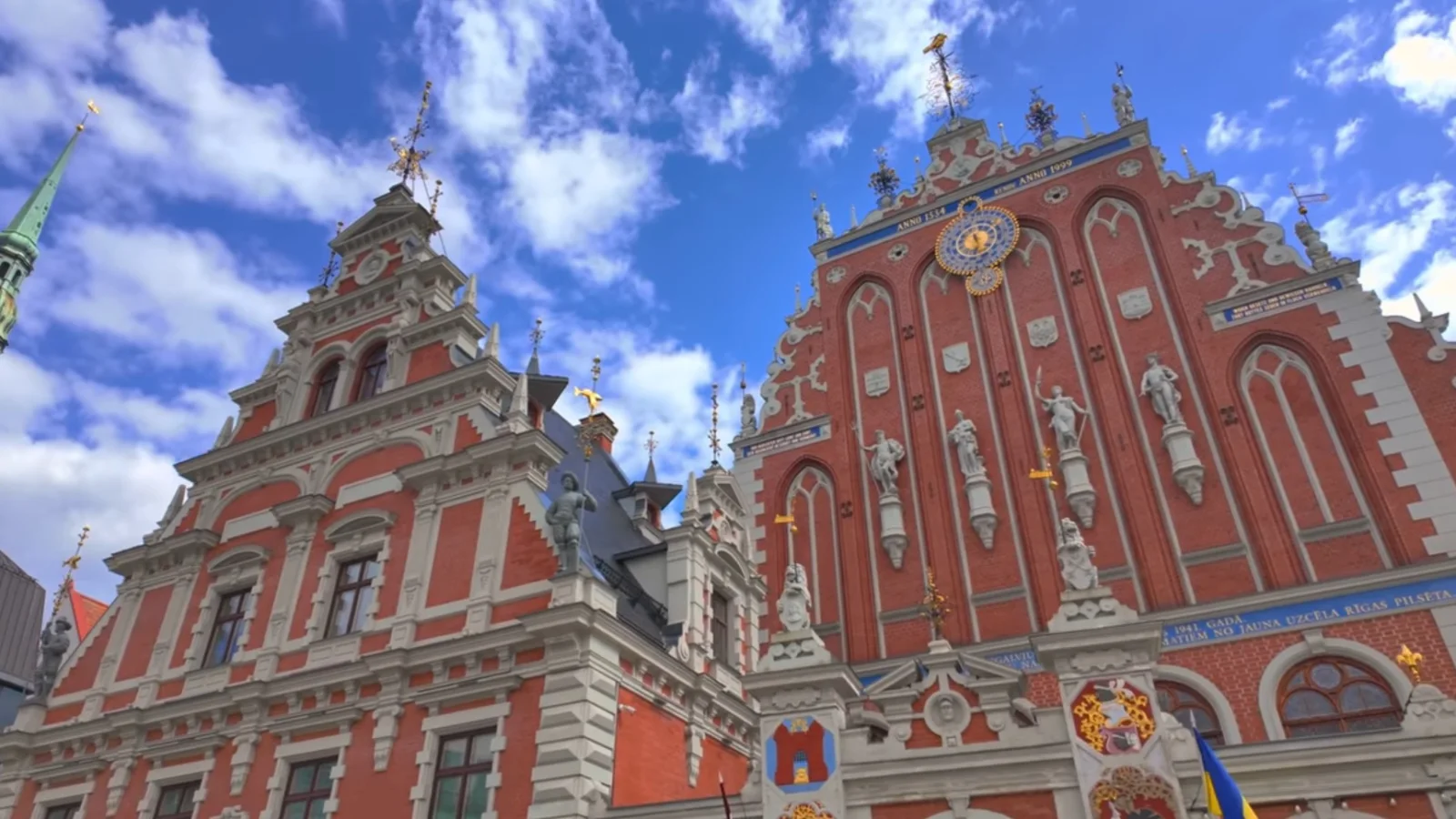
House of the Black Heads
Explore Riga’s merchant and civic history through the building and exhibitions on Town Hall Square.
Riga Cathedral or St Peter’s Church
Choose the cathedral for architecture, organ and music, or St Peter’s for the tower panorama.
Latvian National Museum of Art
See Latvian art of the 19th and 20th centuries in the restored national museum.
Museum of the Occupation of Latvia
Understand Latvia’s experience of 20th-century occupation; allow focused time rather than a hurried stop.
Āgenskalns Market
Visit a restored market in a more residential left-bank district.
Daugava riverfront
Walk the right-bank promenade for wide river views towards the National Library and left bank.
Best areas to explore
Explore these as linked sightseeing areas; the next section compares accommodation bases separately.
Old Town (Vecrīga)
Atmospheric and busy, with medieval streets, churches and civic history in the most compact sightseeing area. Cobbles and evening crowds are its drawbacks.
Boulevards and parks
A greener belt around Old Town, ideal for linking the Freedom Monument, opera and central museums on foot.
Quiet Centre and Alberta iela
Calmer streets best known for Art Nouveau façades, an easy walk north-east of Old Town but farther from the market.
Central Market and Spīķeri
A lively, everyday area for market pavilions, warehouse architecture and the Daugava edge, beside the main station.
Āgenskalns and the left bank
A residential contrast with its market and wooden architecture; allow a half-day and use public transport for an efficient return.
Where to stay in Riga
The Centre and boulevard belt offer the best first-stay balance. Old Town, the station edge, Quiet Centre and Āgenskalns suit more specific priorities.
Centre and boulevard belt
Best all-round: walkable sights, simple connections and quieter streets beyond the nightlife core.
Old Town
Best for historic atmosphere. Check the street for noise, cobbles, stairs and vehicle access.
Quiet Centre
Best for architecture and calm, but farther from the station and some Old Town sights.
Station and market edge
Best for early trains or coaches; judge the immediate block, not only the district name.
Āgenskalns
Best for a local left-bank stay, with public transport needed for central sights.
Getting to Riga
The Central Station and coach terminal are beside Central Market and near Old Town; RIX Riga Airport is outside the centre.
By air
RIX lists bus 22, taxis, car sharing and rental cars. A taxi may suit heavy luggage or a late arrival.
By train
Vivi serves Riga Central Station. Check its international page for cross-border operators, ticket sellers and transfers.
By coach
The terminal at 1 Prāgas Street is near Old Town. Confirm departure details with both terminal and operator.
By car
A car is unnecessary centrally. For a road trip, choose suitable parking and an easy route out.
Getting around Riga
Walk the Old Town, parks, market and central museums in clusters. Use Rīgas satiksme trams, trolleybuses and buses for the airport, left bank and outer neighbourhoods.
Walk in clusters
Treat Old Town, Central Market and the Quiet Centre as separate walking blocks.
Use public transport beyond the centre
Check the stop and final walk, especially for Āgenskalns or outer neighbourhoods.
Plan access door to door
Bus 22 is low-floor, but paving, platforms and entrances still affect the full route.
Food, markets and everyday essentials
Traditional and contemporary menus use dark rye bread, smoked or cured fish, potatoes, cabbage and seasonal produce. Modern kitchens often reinterpret those ingredients, so compare a classic lunch with a newer restaurant rather than searching for one definitive Latvian meal.
Browse Central Market for the widest choice, moving between pavilions rather than stopping at the entrance. It works best as a look at everyday produce and prepared food, not only a landmark. Use smaller Āgenskalns Market on a left-bank day. Central cafés and bakeries make easy breakfast or afternoon stops, particularly around Old Town and the Centre.
Traditional and contemporary
Compare Latvian staples with newer interpretations and ask what is seasonal.
Markets
See more than one Central Market pavilion; pair Āgenskalns with the left bank.
Cafés and bakeries
Look in the Centre and Old Town for coffee, pastries and bread-based snacks.
Vegetarian and dietary planning
Plant-based choices exist, though traditional menus can be meat- or fish-led. Check menus and contact venues when allergies or cross-contamination matter.
Everyday supplies
For late arrivals, check what is open near the accommodation.
Day trips from Riga
Jūrmala and Sigulda are the clearest car-free choices, but they create very different days.
Jūrmala: coast and a relaxed day
Choose the beach, seaside atmosphere and wooden architecture. Match one of several rail stops to your area; summer is livelier, while cooler seasons suit a quieter coastal walk.
Open destination guideSigulda: landscapes and a structured day
Choose Gauja scenery, castles and walking. Sights spread beyond the station, so plan local movement, footwear and outdoor time before leaving Riga.
Open destination guideChoose one
They lie in different directions; combining both turns the day into a transport exercise.
Riga through the seasons
Daylight and weather change the balance between street exploration and indoor culture.
Spring
Longer days revive the parks, but variable conditions favour layers and an indoor museum or market option.
Summer
Long daylight suits extended walks, terraces, outdoor events and the riverfront; popular dates and coastal trips are busier.
Autumn
Cooler days suit parks, architecture and the cultural season; fading daylight and rain make a museum option useful.
Winter
Use short daylight for compact walks between museums, cafés and concerts. Snow is possible, but wet or grey conditions are equally plausible.
Common planning mistakes
Staying only inside Old Town
The boulevards, Art Nouveau streets, market and riverfront show very different Rigas.
Choosing accommodation by district alone
Noise, paving and station access can change within a few blocks.
Trying every interior
Churches, towers and museums fill a day quickly; choose those matching your interests.
Treating a day trip as just a train ride
Jūrmala needs the right station; Sigulda needs local movement. Plan the final leg.
Expecting reliable winter snow
Conditions may be snowy, wet or grey, so mix outdoor and indoor plans.
Riga travel questions
Is Riga Old Town walkable?
Yes. Vecrīga is compact, although cobbles and uneven historic surfaces can slow some routes.
Which area is best for a first stay in Riga?
The Centre or boulevard belt is the best all-round choice; Old Town offers more atmosphere but less calm.
Is Riga worth visiting in winter?
Yes for architecture, museums, cafés and culture. Plan around short daylight and variable snow or rain.
Is Riga suitable for travellers with limited mobility?
Many transport services and major museums offer accessible options, but historic paving, platforms and entrances vary. Check the full route and contact venues when step-free access is essential.
Plan with current information
Official sources and review information
This guide was last reviewed 23 July 2026. Follow these links for current schedules, opening hours, tickets and access notices.
LiveRiga official visitor guide
Municipal visitor information and current city-planning context.
UNESCO Historic Centre of Riga
Historic-centre boundaries, urban layers and architectural context.
LiveRiga: Old Town Riga
Old Town character and its place within the wider centre.
LiveRiga: Art Nouveau
Quiet Centre and Alberta iela visitor context.
Riga Art Nouveau Centre
Museum scope and current visitor information.
Riga Central Market
Official market layout, produce and operating notices.
LiveRiga: Āgenskalns Market
Left-bank market and neighbourhood context.
House of the Black Heads
Official building history, exhibition and visitor information.
Riga Cathedral
Official architecture, organ, music and visitor information.
LiveRiga: St Peter’s Church
Church and panoramic tower visitor context.
LiveRiga: Freedom Monument
Monument location and national significance.
Latvian National Museum of Art
Collection scope and current museum information.
Museum of the Occupation of Latvia
Primary exhibition, ticket and accessibility information.
LiveRiga: Daugava Promenade
Right-bank promenade and river-view context.
RIX Riga Airport transport
Current airport-to-city transport modes.
RIX assisted travel
Airport assistance and bus 22 access information.
Rīgas satiksme visitor transport guide
Official city network, route planner, stop map and tickets.
Rīgas satiksme bus 22 tickets
Airport bus ticket and purchase information.
Vivi tickets and journey information
Domestic train tickets and timetable starting point.
Vivi international routes
Current cross-border operators, sellers and transfer information.
Riga International Coach Terminal
Official terminal location and passenger information.
Latvia.travel: Latvian national cuisine
National food traditions and common ingredients.
LiveRiga: Eat and drink
Traditional, contemporary and plant-based dining context.
LiveRiga: Bakeries and coffee
Current café and bakery visitor context.
Latvia.travel: Four seasons in Latvia
Seasonal daylight, weather and activity context.
Visit Jūrmala: about the city
Official resort, coast and wooden-architecture context.
Visit Jūrmala: getting there
Official train-arrival and station-planning information.
Visit Jūrmala: beach guide
Official beach areas and coastal planning information.
Sigulda official tourism portal
Gauja landscapes, castle sites, arrival and local activity context.
More Latvia trip ideas